
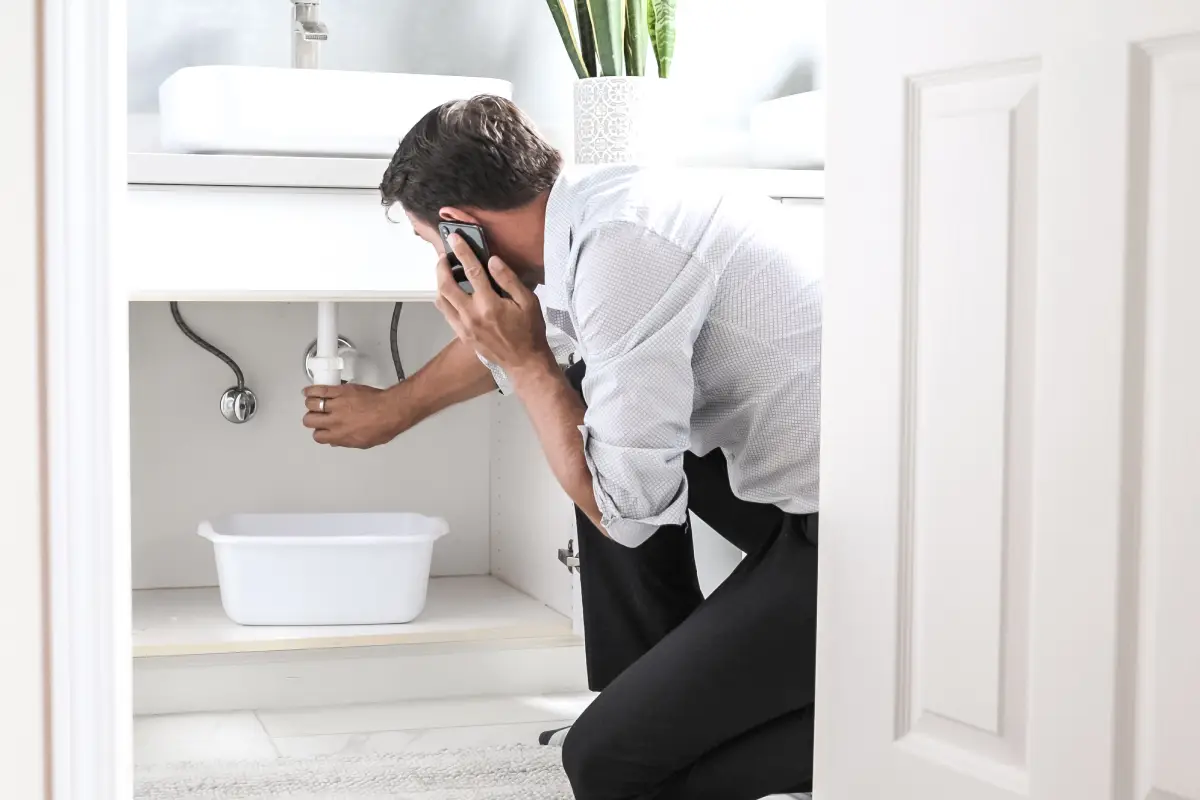
A garage door that sticks every few weeks, a bathroom exhaust fan that hums louder than it used to, a kitchen faucet that drips again just months after being fixed. None of these seem urgent on their own, but string enough of them together across the same Rockland County rental and a clearer picture starts to form. Reviewing maintenance coordination tips is a reasonable first step, though the more useful move is stepping back to notice what these separate complaints actually have in common.
Once that connection clicks, the next decision gets a lot easier to make.
Key Takeaways
- Repeated repair requests usually signal an aging system, not a run of coincidences.
- A property's repair history reveals which components are approaching replacement.
- Planning replacements ahead of time keeps your budget predictable instead of reactive.
- Addressing root causes instead of symptoms keeps tenants satisfied for longer.
- Rockland County owners benefit from tracking maintenance trends across every major system.
What Repeated Repairs Are Actually Telling You
Nothing in a rental property lasts forever. Roofs, plumbing, HVAC systems, and appliances all wear down eventually, and once they get close to that point, small fixes stop holding up the way they used to.
Fixing one section of pipe won't restore a plumbing network corroding elsewhere in the house. Patch a single spot on the roof, and if the surrounding shingles are just as worn, another leak is often just a matter of time.
A handful of systems tend to show this pattern more than others in Rockland County rentals.
Systems Worth Watching Closely
- HVAC equipment losing efficiency over time
- Water heaters requiring repeat service
- Plumbing lines leaking in different spots
- Roofing systems nearing the end of their lifespan
- Exterior siding showing consistent wear
- Windows and doors that no longer seal properly
Once more than one of these systems keeps needing attention, replacement usually becomes the more practical option than another temporary fix.
The Wear You Can't See Until It Surfaces
A lot of deterioration begins behind walls or beneath flooring long before any visible sign shows up. A tenant might mention a ceiling stain one month and a slow drain the next, and on the surface, those seem completely unrelated.
Dig a little deeper, though, and they often trace back to the same root issue.
Plumbing
Leaks appearing in different locations usually mean the whole system is corroding, not just one bad fitting.
Roofing
Repeated leak repairs typically point to worn flashing or shingles that are simply past their useful life.
HVAC
Frequent service calls often reveal a failing motor or compressor, even when the unit still technically runs.
Windows
Persistent drafts usually trace back to deteriorated seals rather than a one-time installation problem.
Looking past the immediate symptom and asking what's driving the repeat calls gives owners a much clearer read on what the property actually needs. Building a maintenance game plan before these patterns escalate saves both time and money down the line.
Knowing When a Repair Stops Making Financial Sense
Small repairs make sense while a system is still fundamentally sound. Eventually, though, there's a tipping point where continuing to repair costs more than simply replacing the system outright.
A few warning signs tend to show up around that point.
The Repairs Start Coming Faster
If a contractor keeps returning every few months for similar issues, the system itself is likely failing, not just the part that got fixed.
The Costs Add Up Quietly
Labor, materials, and scheduling fees accumulate over time, even when each repair looks small on its own.
Emergency Calls Start Creeping In
After-hours breakdowns tend to cost more and disrupt tenants more than a planned replacement would.
Damage Spreads Beyond the Original Issue
A leaking pipe left unresolved can ruin drywall, flooring, and cabinetry well past the original repair site.
Instead of approving another quick fix, it's worth calculating what keeping an aging system running is actually costing you month over month.
Your Repair History Tells a Bigger Story
A single repair ticket doesn't reveal much on its own. A full maintenance history, tracked over months or years, shows exactly how a property is holding up over time.
Nationally, the median age of owner-occupied homes has reached 41 years old, which helps explain why so many rental properties deal with aging plumbing and electrical systems at once. Reviewing your own records regularly can reveal patterns such as:
- Plumbing leaks that keep showing up in the same general area
- HVAC repairs that happen every year right before a season change
- Appliances failing more often than they reasonably should
- Roof leaks after every major storm
Tracking these trends instead of just reacting to them makes budgeting for the future far easier. Reviewing the overlooked money patterns that show up after a rough year can also help owners connect repair costs to bigger financial trends.
Turning Repair Data Into a Replacement Plan
Every property eventually needs bigger improvements, and the hard part is deciding what to prioritize first. Your repair history is exactly where that decision starts.
Comparing repair costs against replacement costs over time often shows you've already spent close to what a full replacement would cost, just spread out in smaller pieces. Running the numbers through an roi calculator tool can help you see whether continued repairs or a full replacement makes more sense for your property.
A few things worth weighing as you plan:
- How current repair costs compare to full replacement costs
- The expected remaining lifespan of each major system
- How reliable systems affect tenant satisfaction and lease renewals
- Building a budget in advance so replacements don't catch you off guard
Getting Ahead of the Next Failure
Waiting for a system to fail completely almost always costs more than replacing it on your own schedule. Damage spreads, tenants get frustrated, and emergency repairs run higher than planned ones ever would.
Homeowners nationwide spent an estimated $503 billion in 2024 on remodeling and repair projects, a reminder of how much upkeep aging housing stock requires across the country. A proactive routine typically includes:
- Annual inspections of major systems
- Seasonal HVAC servicing before extreme weather hits
- Roof evaluations after storms
- Regular plumbing checks
- Exterior maintenance to catch wear early
Regular property inspections also give owners documented proof of a property's condition over time, which matters both for maintenance planning and for compliance purposes.
PMI Properties Helps You Read the Signs
Recurring repairs deserve more than a quick fix and a shrug. They deserve a real look at what's driving them, backed by accurate records and a clear plan for what comes next.
We track repair histories closely, coordinate with vetted local contractors, and keep owners informed regularly throughout the process, so nothing about your property's condition catches you off guard.
FAQs about Aging Property Systems in Rockland County, NY
What role does a home's original construction quality play in how often it needs repairs?
Properties built with lower-grade materials or rushed construction often show wear years earlier than well-built homes. Knowing a property's construction history helps set realistic expectations for how frequently certain systems might fail.
How do multiple tenants over the years affect wear on shared systems like HVAC?
Frequent tenant turnover means more varied usage patterns, which can accelerate wear on shared systems. Consistent maintenance checks between leases help catch problems a previous tenant may not have reported.
Can smart home sensors help catch plumbing or electrical issues earlier?
Water leak detectors and smart thermostats can flag unusual activity before it becomes a full failure. These tools won't replace inspections, but they add another layer of early warning between visits.
Is it worth negotiating a lower purchase price for a rental with a heavy repair history?
Often yes. A documented pattern of repeated repairs gives buyers leverage during negotiations, since it signals upcoming replacement costs that a seller should account for in the final sale price.
Should I involve a contractor in reviewing repair records before deciding on a big replacement?
Yes. A contractor can interpret patterns in your repair log that aren't obvious to an owner, helping confirm whether a system truly needs replacing or if isolated repairs are still reasonable.
Numbers Don't Lie, Your Repair Log Proves It
Rockland County owners who treat their repair log as more than a checklist tend to catch problems well before they turn into emergencies. PMI Properties helps translate that history into a real plan, so replacements happen on a schedule you control.
Go ahead and explore maintenance services to see exactly what your property's repair patterns are pointing toward.